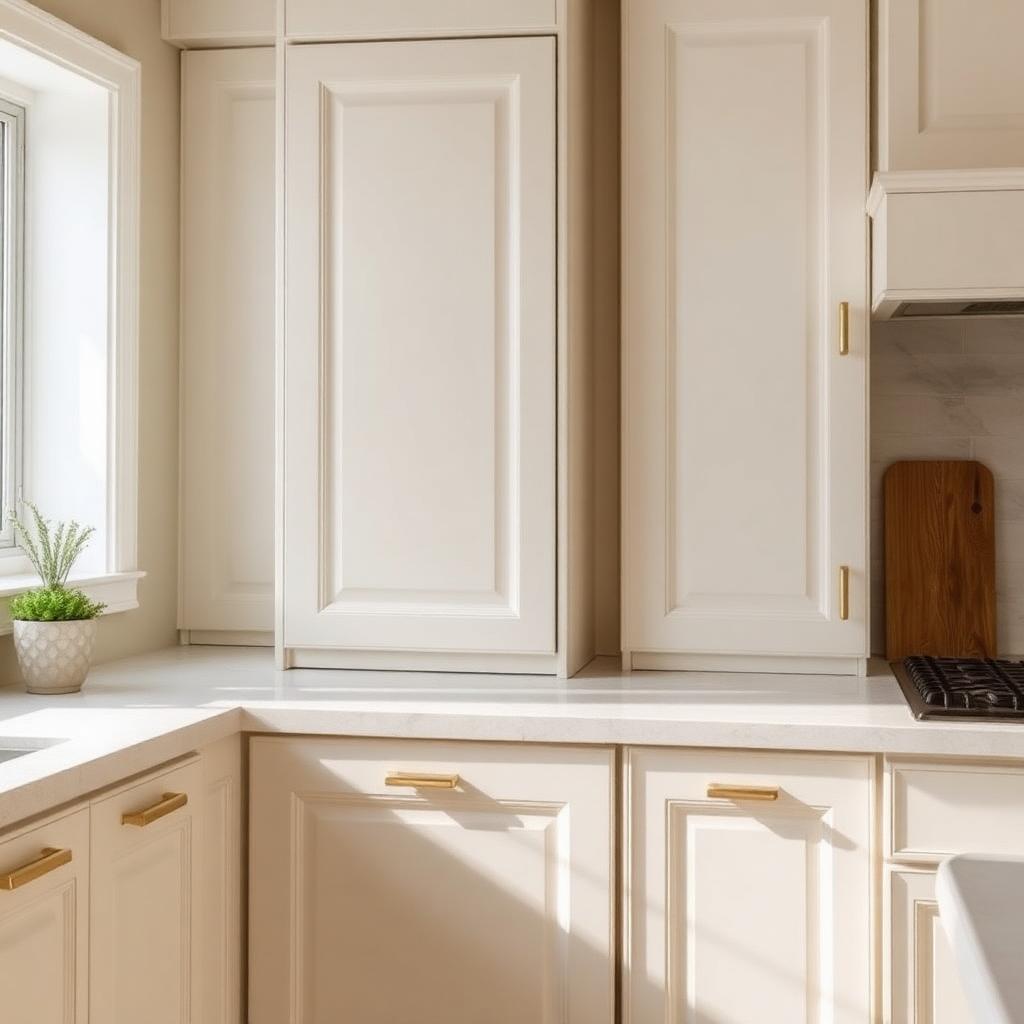
Cabinets set the entire look - and much of the budget - of a kitchen. So one of the first questions in any Ottawa kitchen project is whether to reface the cabinets you have or replace them entirely. Both are legitimate choices; the right one depends on the condition of your existing cabinets and what you want to change. Here's how to decide.
What each option actually means
Refacing keeps your existing cabinet boxes in place and replaces everything you see: new doors and drawer fronts, new hardware, and a matching veneer over the visible box surfaces. The layout stays the same; the look changes completely.
Replacing removes the old cabinets entirely and installs new boxes, doors and hardware. This is the route when you want a different layout, different sizes, or your existing boxes aren't worth keeping.
When refacing is the smart choice
Cabinet refacing makes sense when:
- Your boxes are solid. If the cabinet carcasses are structurally sound and not water-damaged, there's no reason to throw them away.
- You like your layout. Refacing keeps the same footprint, so if the kitchen functions well, you're only changing the look.
- You want a faster, less disruptive project. Refacing is quicker and keeps your kitchen more usable during the work.
- You want to save money without a "cheap" result. Done properly, refaced cabinets look like new cabinets.
Refacing typically costs a fraction of full replacement, because you're not paying for new boxes or the labour to rip out and reinstall them.
When replacing is worth it
Replace when:
- You want to change the layout - moving the sink, adding an island, or reconfiguring for better flow. New cabinets are the only way.
- The boxes are damaged. Water damage under the sink, particleboard that's swollen or crumbling, or failing joints mean the boxes aren't worth keeping.
- You want different cabinet sizes or types - taller uppers to the ceiling, deeper drawers, specialty pull-outs.
- You're doing a full gut anyway. If the kitchen is being taken back to the studs for other reasons, new cabinets often make more sense.
How to tell which your kitchen needs
Ask yourself two questions. First: are the cabinet boxes in good shape? Open the doors, check under the sink, and look for water damage and racking. Second: do I want to change the layout? If the boxes are sound and the layout works, refacing usually wins. If either answer points the other way, replacement is likely the better investment.
A quick comparison
| Factor | Refacing | Replacing |
|---|---|---|
| Layout change | No | Yes |
| Relative cost | Lower | Higher |
| Timeline | Shorter | Longer |
| Best when | Boxes are solid, layout works | Boxes are worn or layout needs to change |
| Result | Looks like new | Fully new kitchen |
Get an honest recommendation
The wrong advice here wastes money in both directions - refacing cabinets that should have been replaced, or replacing cabinets that were perfectly good. At Ottawa Property Experts, we'll tell you honestly which your kitchen needs at the free in-home consult, and give you a fixed price in writing either way.
- Is cabinet refacing cheaper than replacing?
- Yes, usually by a wide margin. Refacing reuses your existing cabinet boxes, so you're not paying for new carcasses or the labour to tear out and reinstall them - only new doors, drawer fronts, veneer, and hardware.
- Can I change my kitchen layout by refacing?
- No. Refacing keeps the same footprint. If you want to move the sink, add an island, or resize cabinets, you need new cabinets - that's replacement, not refacing.
- How do I know if my cabinet boxes are worth keeping?
- Open the doors and check under the sink for water damage, swollen or crumbling particleboard, and failing joints or racking. Solid, dry boxes are good candidates for refacing; damaged ones should be replaced.

Emad H.
Co-Owner, Ottawa Property Experts
Emad H. co-founded Ottawa Property Experts with Aus Q. He leads design and scoping - turning a homeowner's wishlist into a fixed-price plan, then standing behind it through to handover.